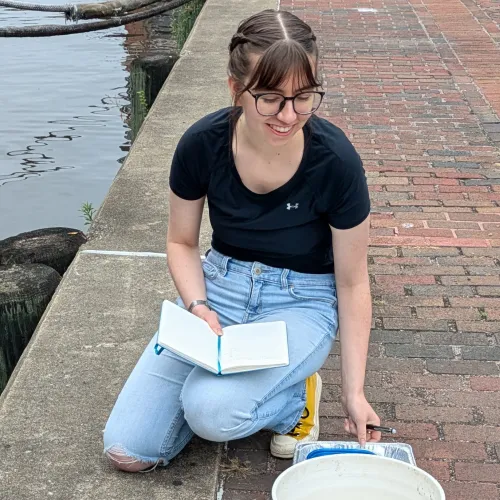
The Power of Illustration in Scientific Communication
In the age where professional cameras can fit into the pocket of your jeans and artificial intelligence can create detailed images from a single prompt in seconds, the field of scientific illustration may seem like a remnant from the past. But as technology improves and our understanding of the natural world grows, so does our need to communicate complex information in clear, accurate, and compelling ways.
Scientific illustrations help illuminate details and describe processes that can’t be clearly shown in a single photo or passage of text. From childhood wonderment to professional research, every level of learning benefits from factual and thoughtfully designed scientific illustration.
As a recent graduate of the Johns Hopkins Medical and Biological Illustration graduate program, I had spent two years knee-deep in anatomical texts, creating illustrations and animations for surgeons, patients, and scientific researchers. I developed a passion for research—untangling complicated processes and finding effective solutions to communicate those findings to the target audience.
While the master’s degree program offered some opportunities for natural science projects, the focus was on medical science. Still, both tracks—medical and natural science—greatly appealed to my interests. So, when the opportunity arose to cut my teeth with natural science illustration in a professional setting at Maryland Sea Grant, I knew it was too good to pass up.
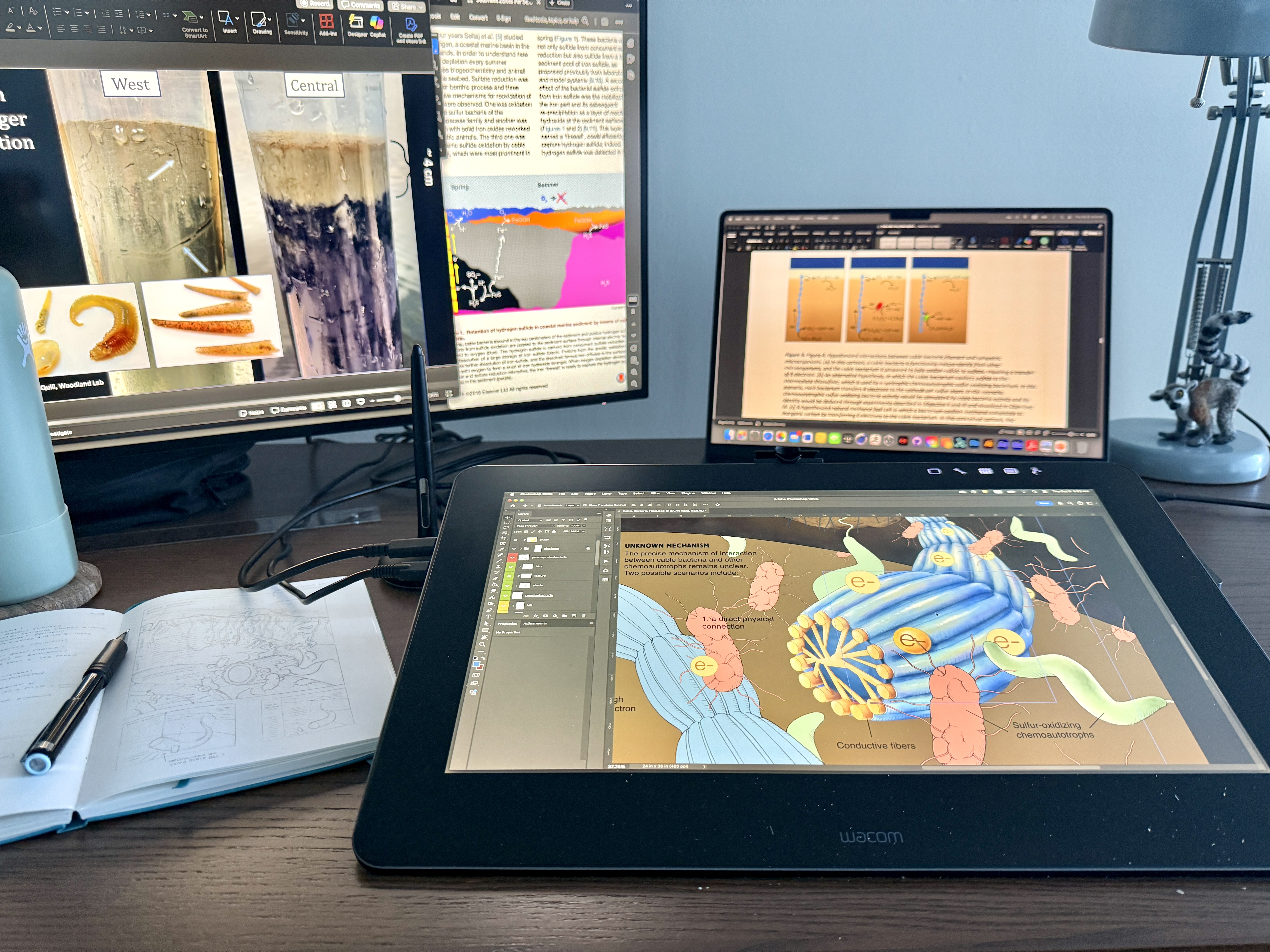
The artwork I created during my three-month internship spanned from the macro—a Maryland shoreline—to the micro—small microbes found at the bottom of the Chesapeake Bay. I am by no means an expert in any of these topics, but I had the opportunity to work with and visit local researchers and educators along the coast to ensure my visualizations were accurate and comprehensible. I joined the team with very little experience communicating with experts without assistance from a professor. I had to learn pretty quickly how to ask the right questions to ensure I got what I needed out of each meeting. There was some trial and error involved, but my ability to communicate my thoughts and foresee future trouble areas greatly improved during my internship.
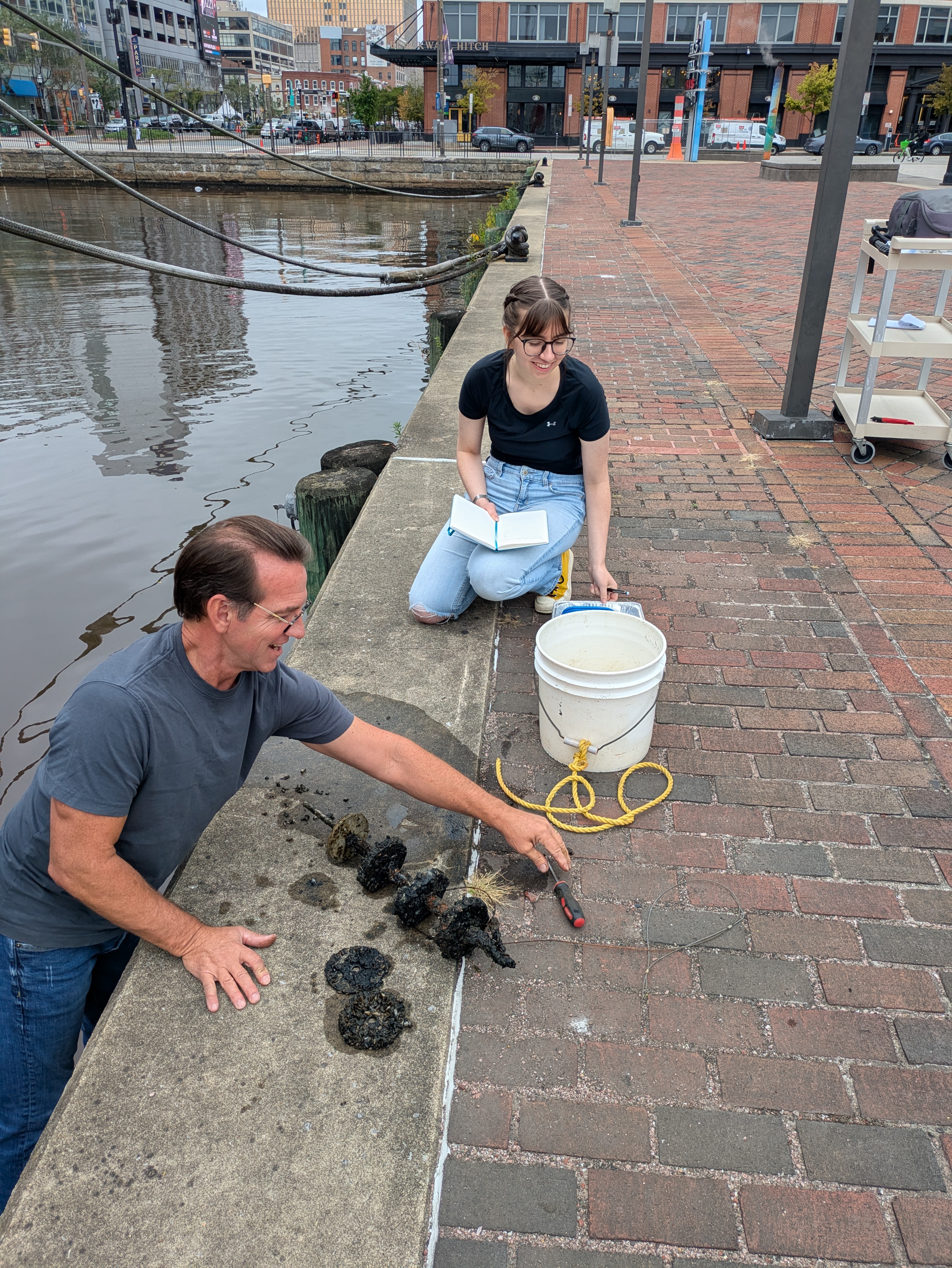
One special project I worked on was creating illustrations for the Biofilms and Biodiversity program, an educational program led by Maryland Sea Grant. This program suspends discs in Baltimore's Inner Harbor and provides those discs to local schools, so students can investigate the tiny, reef-like cultures that colonize the discs.
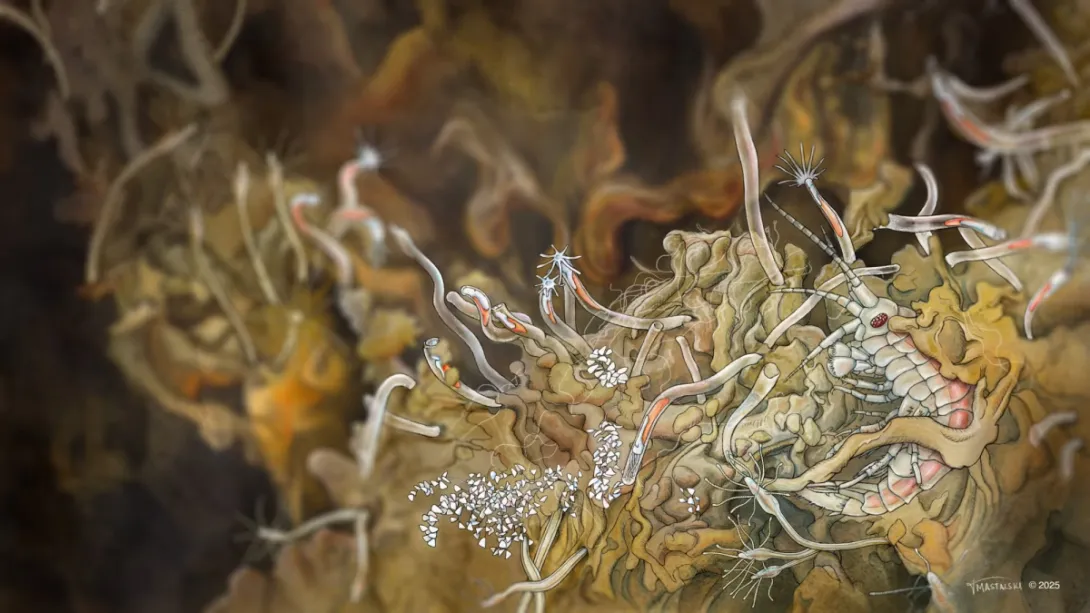
I collaborated with Adam Frederick, assistant director for education at Maryland Sea Grant, to illustrate common creatures found in biofilms in the Baltimore Harbor. These microscopic animals are often semi-transparent, easily blend into their environment, and can appear blurry in photographs. Singling out each animal on a biofilm disc in a high-definition illustration helps the viewer isolate particular features that will aid in identification of the species when encountered on their own biofilm sample. These illustrations can be used as a learning tool for students trying to make sense of the jumbly mess found on their disc samples.
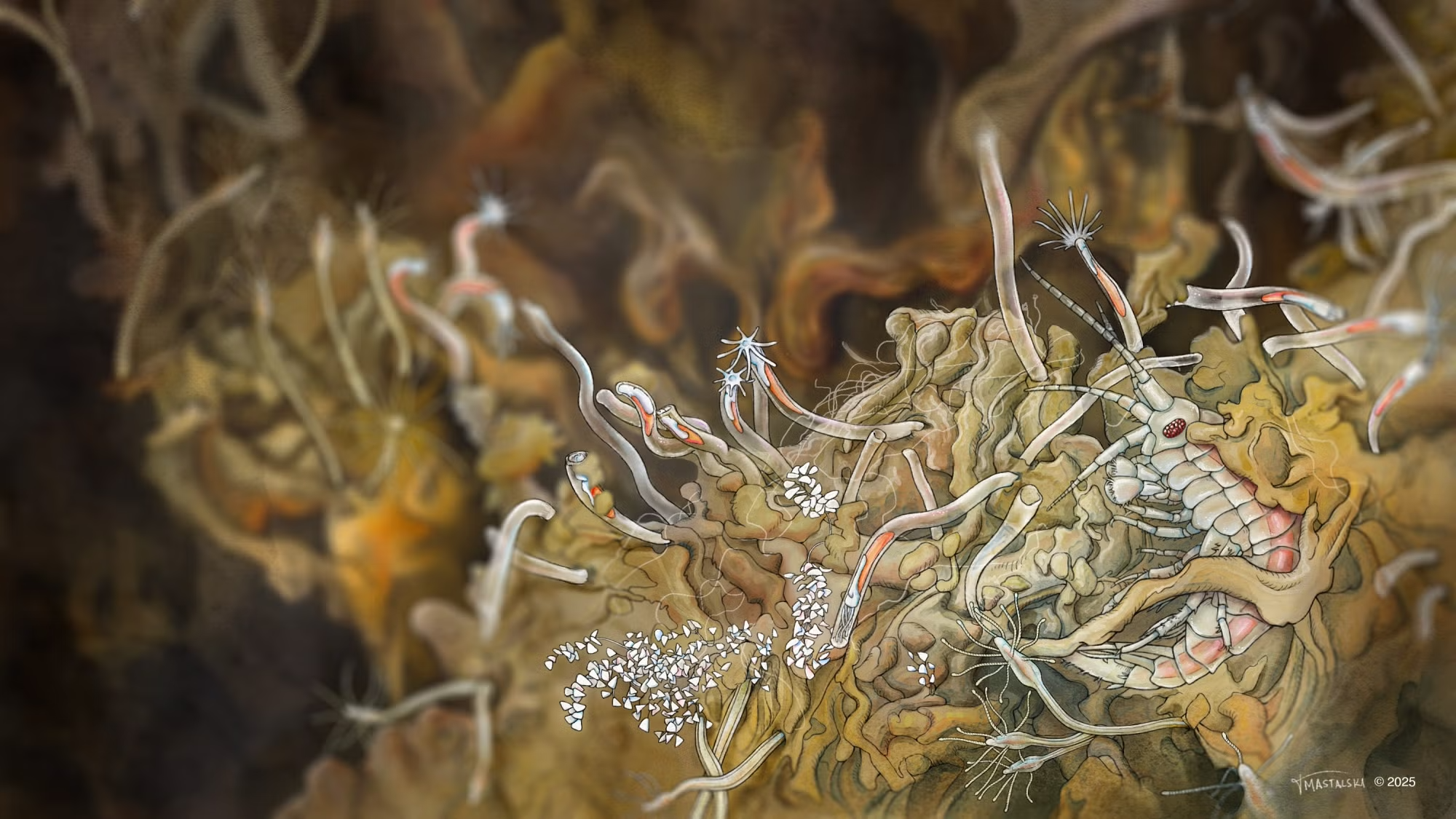
In an increasingly complex world, scientific illustrations help bridge the gaps between research and communication. They allow scientific findings to be shared with and understood by larger audiences, raising our collective curiosity for the natural world. During this internship, I was reminded of the impact scientific illustrations have, not only on public audiences but on the researchers themselves. Few professionals get to work with illustrators in this way, but the impact a well-thought-out illustration can make for someone trying to communicate their research to a broader audience is incredible.